Midspicy: A Handwritten Font That Elevates Your Craft and Product Designs
As a crafter and small shop owner, I know how important it is to have the right font that not only looks beautiful but also works well across different mediums. Midspicy has become one of my go-to display fonts because it blends a warm, personal touch with the clarity needed for commercial use. Whether I’m designing labels, invitations, or SVG files for digital downloads, Midspicy adds that special handmade feel without sacrificing professionalism.
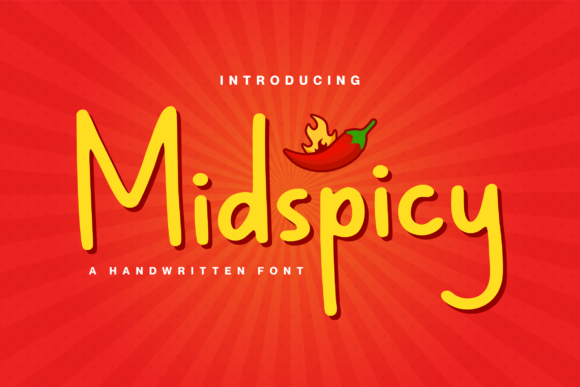
Midspicy is a charming handwritten font that feels both modern and timeless. Its flowing strokes and natural imperfections give it a unique personality that stands out in product design. Unlike overly stylized script fonts that can be hard to read, Midspicy maintains a balance between decorative flair and legibility, making it ideal for both short phrases and slightly longer text when used at the right size.
Perfect for Handmade Labels and Product Packaging
When I create product labels for candles, soaps, or small-batch food items, I need a font that communicates care and craftsmanship. Midspicy’s organic look makes my labels feel personal and high-quality. It pairs beautifully with minimalist layouts or rustic designs, helping my products stand out on shelves or in photos. I especially love using it for boutique-style tags and hangtags that come with handmade jewelry or artisanal goods.
For packaging design, Midspicy works well in both print and digital mockups. Whether it’s a sticker seal on a coffee bag or a custom logo on a cosmetic box, this font gives a clean yet expressive finish. It reads well even at smaller sizes, which is a big plus when designing for real-world production.
Wedding Invitations and Stationery That Feel Personal
One of the most popular uses for Midspicy in my shop is wedding stationery. Couples love fonts that feel intimate and hand-crafted, and Midspicy delivers that effortlessly. I use it for welcome signs, place cards, and envelope addressing to create a cohesive brand feel for their big day. The font’s elegant curves and soft texture make it ideal for romantic, vintage, or modern rustic themes.
It’s also great for greeting cards and planner pages. When I design printable planners or digital stickers, Midspicy helps the text stand out without being overwhelming. It’s readable enough for daily use but still feels special compared to standard sans serif fonts.
From Mugs to Wall Art: Versatility in Physical Products
I frequently use Midspicy in SVG and DXF files for Cricut and Silhouette projects. It cuts cleanly and holds up well in vinyl applications, especially for wall art and seasonal signs. Whether it’s a farmhouse-style quote for autumn or a personalized name sign for a nursery, Midspicy brings warmth and character to every design.
When printing on fabric, like for tote bags or shirts, Midspicy’s clean baseline and even spacing ensure the text doesn’t get distorted. It adapts well to screen printing and embroidery, which is a big plus for small-scale merchandise creators like myself.
Pairing Midspicy With Other Fonts for Balanced Design
Font pairing is essential for any design project, and Midspicy plays well with others. I often pair it with a clean sans serif like Montserrat or Lato for contrast in product packaging or digital graphics. If I’m going for a more elegant look—like for wedding invitations—I’ll combine it with a serif font like Playfair Display to create a timeless aesthetic.
For bold signage or branding elements, I sometimes use a strong display font in combination with Midspicy as a subheading or accent. This helps maintain visual hierarchy while keeping the overall design approachable and warm.
Readability Tips for Crafters and Designers
While Midspicy is quite readable, I always test it in different sizes and formats before final production. For small stickers or tags, I avoid using it in all caps and stick to sentence case for better legibility. On digital mockups, I preview the font at actual print size to ensure it doesn’t become too delicate.
If you're using Midspicy in cutting machines, check that the spacing between letters is consistent and adjust tracking if needed. Some script fonts can have overlapping letters when scaled down, but Midspicy handles resizing well, especially when used with design software that supports OpenType features.
What’s Included in the Midspicy Font Family?
Midspicy comes with a variety of styles and alternates, which gives me more flexibility in design. I appreciate having access to ligatures and swashes that let me customize the look for different projects. The font supports multiple file formats including OTF and TTF, making it compatible with most design software and cutting machines. Multilingual support is also a bonus, especially when creating products for international customers or diverse markets.
Commercial Use and Licensing Made Simple
As a seller on Etsy and other platforms, I need fonts that are licensed for commercial use. Midspicy allows me to use it in physical products, digital downloads, and client work without worrying about copyright issues. This is crucial when designing templates, SVG files, or printables that will be sold or distributed. Always double-check the specific license terms, but from my experience, Midspicy offers clear and flexible commercial rights that suit small businesses and independent creators.
Why Midspicy Stands Out in a Sea of Handwritten Fonts
There are countless script and handwritten fonts available, but few strike the right balance between charm and usability like Midspicy. It’s not overly decorative, yet it still carries that handmade feel that customers love. Whether I’m designing a logo, a social media post, or a product label, Midspicy consistently delivers a polished, approachable look that resonates with my audience.
If you’re looking for a premium font that enhances your brand identity without complicating your workflow, Midspicy deserves a spot in your design toolkit. It’s a versatile, readable, and emotionally engaging typeface that elevates everything from digital printables to physical merchandise. Once you start using it, you’ll wonder how you ever designed without it.